
Planning Melbourne wedding photo locations without spending the day in traffic

Melbourne offers many different settings for wedding photographs, from city streets and architecture to gardens and quieter pockets of greenery. The challenge is not finding enough attractive places. It is choosing locations that fit your day, your clothing, your people and the time you actually have.
A useful Melbourne wedding photo location plan begins with the ceremony and reception addresses. Build outward from those fixed points rather than collecting a long list of disconnected favourites. You can create variety without turning the afternoon into a series of rushed arrivals and departures.
Choose the feeling before choosing several addresses
Think about the atmosphere you enjoy in photographs. You might prefer soft garden backgrounds, city architecture, movement through a street or a quiet setting with space around you. A few clear preferences help your photographer suggest a practical route more effectively than a long list of unrelated landmarks.
Ask what each proposed stop adds. If two places offer a similar background and mood, you may only need one. The time saved can give you more comfortable portraits, a chance to enjoy the surroundings or an earlier return to guests.
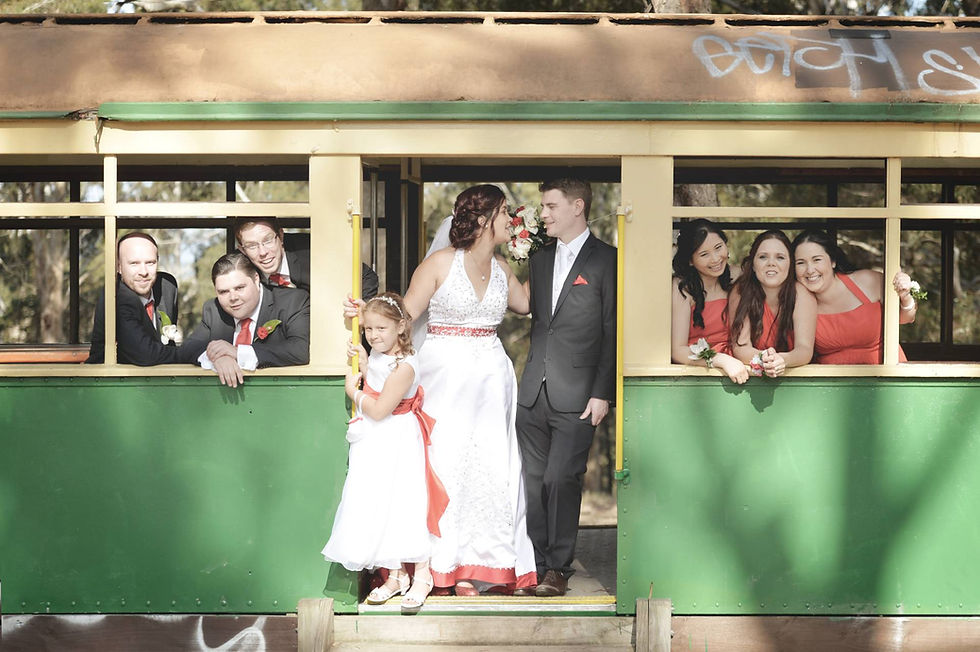
The images illustrating this guide are from the studio's approved collection. They are examples of photographic moods and moments, not confirmation that a particular named venue or landmark is pictured. Ask about the setting of a specific image if that is part of what you love about it.
Count the whole journey, not just the drive
Travel time includes getting people together, walking to transport, loading clothing carefully, parking and reaching the actual photography position. A short distance on a map can still use a meaningful part of the portrait window.
Consider the day of the week and the events around your wedding date. Roadworks, major events and ordinary city activity can change the practical route. Check the relevant information closer to the date rather than treating an early estimate as a guarantee.
If several vehicles are involved, agree how everyone will stay together and where each driver should stop. Give the wedding party the same meeting information. A photographer trying to find a missing car has less time to make photographs, and you have less time to relax into them.
Check who manages the location and what permission applies
Do not assume that a space is unrestricted because it is outdoors or open to the public. Different land managers have different processes. Identify the council, venue or authority responsible for each location and confirm the requirements for your particular activity.
For example, Parks Victoria's wedding permit guidance states that wedding ceremonies and wedding photography or filming on its estate require a wedding permit. Its published application guidance currently requires complete applications at least eight weeks in advance. Check the current page before making plans, including any location specific process.
That does not mean every Melbourne park follows the same rule. Confirm each location directly and decide who will arrange any required permission. Keep the approval and conditions with your wedding documents so the team has the correct information on the day.

Think about comfort in wedding clothes
A location walk during planning may feel easy in casual clothes and very different in formal shoes, a long outfit or warm weather. Consider surfaces, steps, distance and access to somewhere you can pause. Share mobility requirements with the team early.
If you want photographs somewhere uneven or exposed, discuss a comfortable alternative nearby. You do not need to prove your commitment to beautiful images by being uncomfortable. A good location plan supports you and leaves energy for the rest of the celebration.
Think about the wedding party too. If they will join you, decide whether they are needed at every stop. You may prefer a short group session and then couple portraits separately. That can simplify transport and allow everyone else to return to guests sooner.
Have a weather alternative that belongs to the same route
A useful alternative should be practical from where you already are. A covered location across the city may be beautiful but difficult to reach if the weather changes during a short portrait window. Look for options close to the ceremony, reception or planned photography route.
Confirm access rather than assuming any doorway, lobby or covered area is available. A private building may require permission, and a public shelter may be busy. Your photographer can help think through the visual options while the venue or land manager confirms what is allowed.
Our rainy wedding photography guide offers more ways to prepare. The aim is not to predict every condition, but to have a clear alternative that does not require rebuilding the afternoon from scratch.
Balance portraits with time at your own wedding
Ask how long you want to be away from guests. Some couples enjoy a substantial portrait session with several settings. Others would rather keep it close and return to the celebration. Neither preference is wrong, but it should be reflected in the plan.
Consider whether the venue itself offers useful variety. A garden, an interior and a simple architectural background may provide several different photographs without transport between stops. Familiar surroundings can also make it easier to adjust when the running sheet changes.
If evening light matters to you, a short later session may provide more variety than another afternoon drive. Read our golden hour planning guide and discuss whether a nearby evening option fits the reception schedule.

Create one clear location brief
Write the exact meeting points, approximate sequence, access arrangements and weather alternatives in one document. Include a contact for any location that needs coordination. Share it with the photographer, coordinator and drivers who need it, keeping unnecessary personal information out of wider circulation.
Make the priorities visible. If time becomes shorter, the team should know which location matters most and which can be dropped. Flexibility works best when everyone understands the purpose of the plan.
Send your ceremony and reception venues when you contact Chris & Tee Studios. We can begin with the shape of your day and discuss photography that leaves room for both beautiful surroundings and the people you came to celebrate with.


Comments